

What's the most unusual or interesting plant you've ever encountered, and what stood out about it?
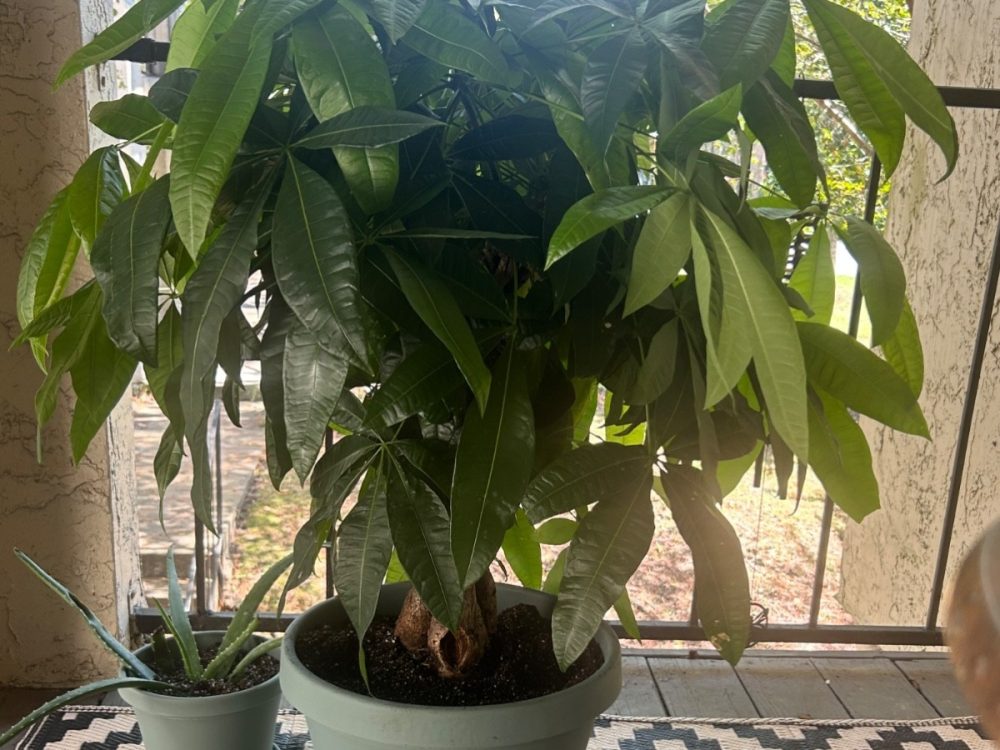
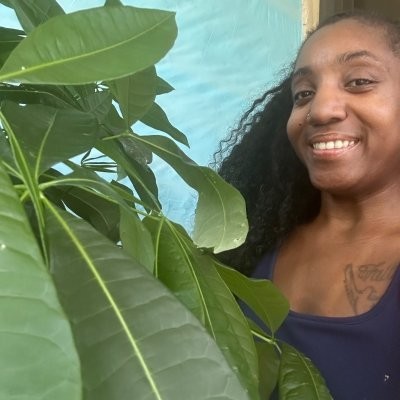
I’ve cared for a variety of common plants, but I’m currently nurturing a Money Tree (Pachira aquatica) and an Aloe Vera plant. Both are thriving after requiring a little plant surgery and extra attention! Since they have different environmental needs, I’ve had to get creative with their care, especially during the winter and fall months. I find it fascinating that I get to care for two plants that almost seem to come from opposite worlds. One thrives in tropical conditions while the other is built for a much drier environment. It’s almost like having to maintain two different climates in the same home! I’ve had to experiment with placement, watering routines, and ways to protect them from colder temperatures. Watching them recover, adapt, and continue growing has made me appreciate just how resilient plants can be. There’s something satisfying about figuring out what each plant needs and seeing the results.
What's your experience with pruning, removing damaged leaves, cleaning foliage, or other basic plant maintenance? How do you decide when a plant needs that kind of attention?
Most of my hands-on pruning experience comes from caring for my Money Tree (Pachira aquatica). I also bring professional experience advising customers on gardening products and their uses, which has expanded my understanding of plant care and growing conditions.
I’ve removed leaves damaged by insects, minor weather-related wear, and occasional periods of more sunlight than the plant needed. I pay close attention to discoloration, unusual residue, leaf texture, and changes in new growth because these can indicate an underlying issue.
I’ve also learned that plant maintenance goes beyond pruning. When I noticed signs of moisture imbalance, I checked the soil and adjusted my watering routine to allow it to dry between waterings. I’ve taken the time to clean my Money Tree leaf by leaf using a gentle cleaning solution to address pest issues and restore the foliage.
I also consider environmental conditions and seasonal changes when deciding whether pruning is necessary. Temperature, humidity, sunlight, and the plant’s growth cycle can all influence how it responds to maintenance. I decide when a plant needs attention by observing its condition rather than automatically removing leaves. Different plants require different approaches, and my Aloe Vera, for example, requires much less pruning than my Money Tree.
You accidentally damage a leaf while handling a client's plant. How would you address the situation?
I treat plants with the same love, patience, and consideration I would give someone’s beloved pet. I would approach caring for a client’s plants as if they were my own, being mindful of their individual needs and how delicately they should be handled. If I accidentally damaged a leaf, I would promptly let the owner know, share a photo, and explain what happened. I would also take the opportunity to share relevant knowledge about the plant’s natural growth process, including how leaves naturally fall off and how new growth can develop. I enjoy educating others about plant care, so I would want the owner to feel informed and reassured. I also like the idea of documenting my care visits so owners can see the attention their plants receive. To me, caring for someone’s plants is a responsibility built on trust, attentiveness, and genuine care. After all, happy plants make happy plant parents!
How do you make sure you follow detailed instructions when caring for someone else's plants?
I would follow the instructions in the order provided and remain consistent with the plant’s established care schedule, especially when it’s already thriving under that routine. I understand that every owner has their own approach to plant care, and my role is to support what is already working rather than introduce unnecessary changes.
I also believe preparation is important, so I would ask questions ahead of time about watering schedules, feeding, lighting, and any specific care preferences or potential concerns. If an unexpected situation required a change in routine, I would communicate with the owner before making adjustments, unless prior permission had been given for emergency decisions. My goal is to be prepared, attentive, and respectful of both the owner’s instructions and the plant’s individual needs. I see it as caring for another member of the family. Plants are living organisms, and maintaining familiarity in their environment can make a meaningful difference in their well-being.
What would you want a plant owner to remember about working with you after their trip?
I would want plant owners to remember that their plants were in caring hands while they were away. My goal is for them to return to plants that look just as healthy as when they left, if not better. I understand that plants are living things, and growth is part of their nature, so I wouldn’t expect them to remain exactly the same. I would want to see them continue thriving.
I can relate to the feeling of leaving home and wondering how your plants will do in your absence. When I traveled to Mexico for eight days, I had to prepare my own plants for the time I would be away. Coming home to see my Money Tree looking healthy, with its beautiful canopy still flourishing, was such a rewarding feeling. It gave me peace of mind and a sense of accomplishment knowing the care and preparation paid off.
That’s the same feeling I would want to give my clients: the happiness of returning home to a thriving plant and knowing they made the right choice in trusting someone to care for it.