

How did your interest in plants begin, and how has it changed over time?
My interest in plants began with the women in my family, who have always loved having plants in their homes. Growing up around that appreciation for greenery helped me develop my own interest in plants and the positive atmosphere they bring into a living space. I’ve always admired how plants can make a home feel more peaceful, welcoming, and connected to nature.
I’m also a very spiritual person, so I personally associate plants with positivity, growth, and good energy. To me, caring for plants is about more than just watering them. It’s also about patience, consistency, responsibility, and discipline. Plants remind us that growth takes time and that even small acts of care can make a difference.
One of my family members regularly asks me to water and look after her plants whenever she travels out of town. This has given me hands-on experience following someone else’s plant-care routine and understanding the importance of keeping plants cared for while their owner is away.
Over time, my interest has grown from simply appreciating plants to wanting to become a plant mom myself. Plant sitting feels like a wonderful opportunity to continue learning while helping others care for something they value.
How do you determine whether yellowing leaves indicate a problem or normal plant aging?
When I notice yellowing leaves on a plant, I would first look at the overall condition of the plant rather than immediately assuming something is wrong. I understand that yellowing can sometimes be a natural part of a plant’s life cycle, especially when older leaves near the bottom begin to change color while the rest of the plant continues growing and looking healthy.
However, if multiple leaves are turning yellow at the same time, including newer leaves, I would investigate further. I would check the soil moisture to determine whether the plant is receiving too much or too little water. I would also consider its lighting conditions, drainage, temperature, and any visible signs of pests.
For example, with plants such as pothos or snake plants, overwatering can contribute to yellowing leaves. Since every plant has different needs, I would research the specific plant before making any adjustments. I would also communicate my observations with the owner and follow their care instructions rather than making unnecessary changes that could potentially harm the plant.
A client asks you to repot a valuable plant you've never handled before. How would you decide whether to accept the task?
If a client asked me to repot a valuable plant that I had never handled before, my first priority would be making sure I could complete the task safely without putting the plant at risk. I understand that different plants have different requirements, and repotting can be stressful for certain plants if it isn’t done correctly.
I would start by asking the client what type of plant it is, why it needs repotting, and whether they have specific instructions or preferences. I would also ask about the appropriate soil, pot size, drainage requirements, and whether the plant has any special care needs. Before agreeing to the task, I would research the plant’s repotting requirements using reliable gardening resources to better understand the process.
Since my personal experience has mainly involved watering and caring for a family member’s plants while she’s away, I would be transparent about my experience level. If the plant required specialized knowledge or techniques that I wasn’t confident performing, I would politely explain that to the client rather than risk damaging something valuable.
I believe honesty, communication, and responsibility are essential when caring for someone else’s plants. I would rather decline a task outside my abilities than promise something I couldn’t safely deliver.
What steps would you take to respect a client's privacy and personal belongings during a visit?
Respecting a client’s privacy and personal belongings is extremely important to me because I understand that allowing someone into your home requires trust. My responsibility as a plant sitter would be to care for the plants while making sure the client feels comfortable and confident that their home is being respected.
Before each visit, I would carefully review the client’s instructions, including which areas of the home I am permitted to enter, where the plants are located, and whether there are any specific household rules. I would only access areas necessary to complete my responsibilities and would never touch, move, or look through personal belongings without permission.
I would also make sure to arrive at the agreed-upon time, follow the plant-care routine, and communicate with the client if I noticed anything unusual. If photos were requested, I would focus on the plants rather than photographing private areas or personal items.
Before leaving, I would ensure everything was left as I found it, including securing doors and following any instructions regarding lights or locks. I believe reliability, honesty, communication, and respect are essential to building trust with clients.
If you could create your ideal indoor plant space, what would it look like?
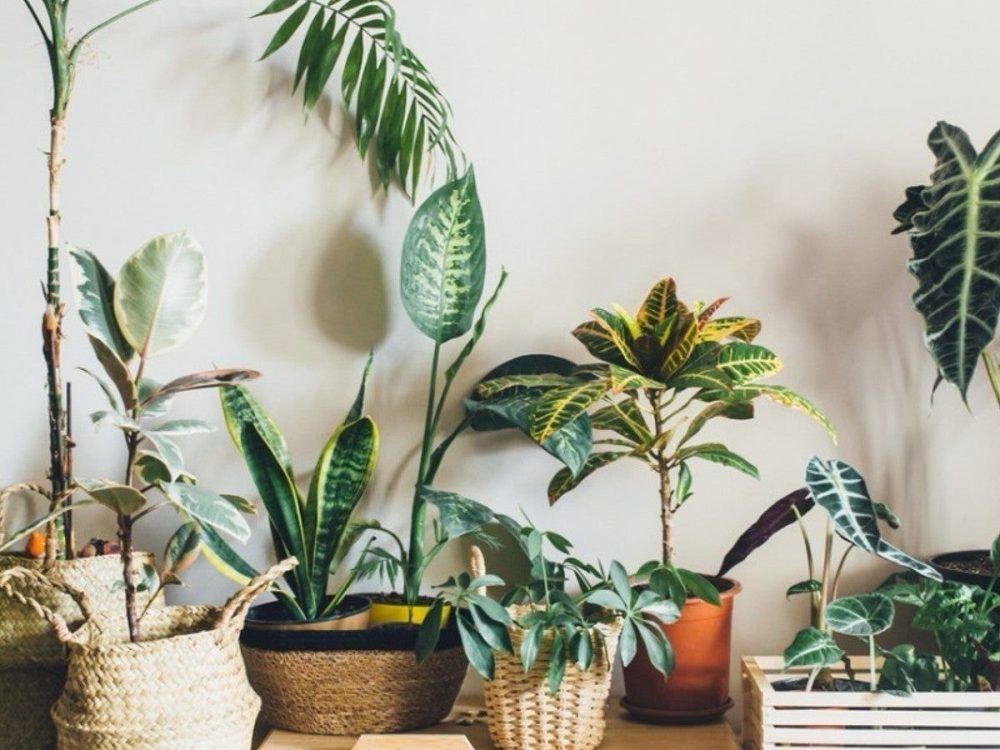
My ideal indoor plant space would be a peaceful, beautiful, and welcoming environment filled with natural greenery, sunlight, and positive energy. I’ve always wanted to become a plant mom because I love how plants can completely transform the atmosphere of a home. To me, plants aren’t just decorations. They represent growth, patience, discipline, and a connection to nature.
I imagine having a cozy living room with large windows that allow plenty of natural light, surrounded by a variety of indoor plants. I would love to have beautiful leafy plants displayed in decorative pots, smaller plants arranged on shelves, and perhaps a few hanging plants to make the space feel more vibrant. I would choose plants based on the lighting and conditions in each area so they could grow comfortably.
As someone who values spirituality and positivity, I would want my plant space to feel calming and uplifting. It would be somewhere I could relax, reflect, and enjoy a peaceful moment away from everyday stress.
I would also create a consistent plant-care routine, making time to check the soil, observe new growth, and learn about each plant’s needs. My ideal space would reflect my personality: feminine, peaceful, organized, and full of life.


 By
jnobrien43




 By
Toddtrudeau