

- House Plant Sitting
- July 27, 2026
- News
What Happens to Unsold Plants at Home Depot?
What Happens to Unsold Plants at Home Depot?
Walk through the garden center at Home Depot during spring, and you'll find rows of colorful flowers, shrubs, herbs, and trees ready for new homes. But not every plant sells before the season ends. So what actually happens to the leftovers?
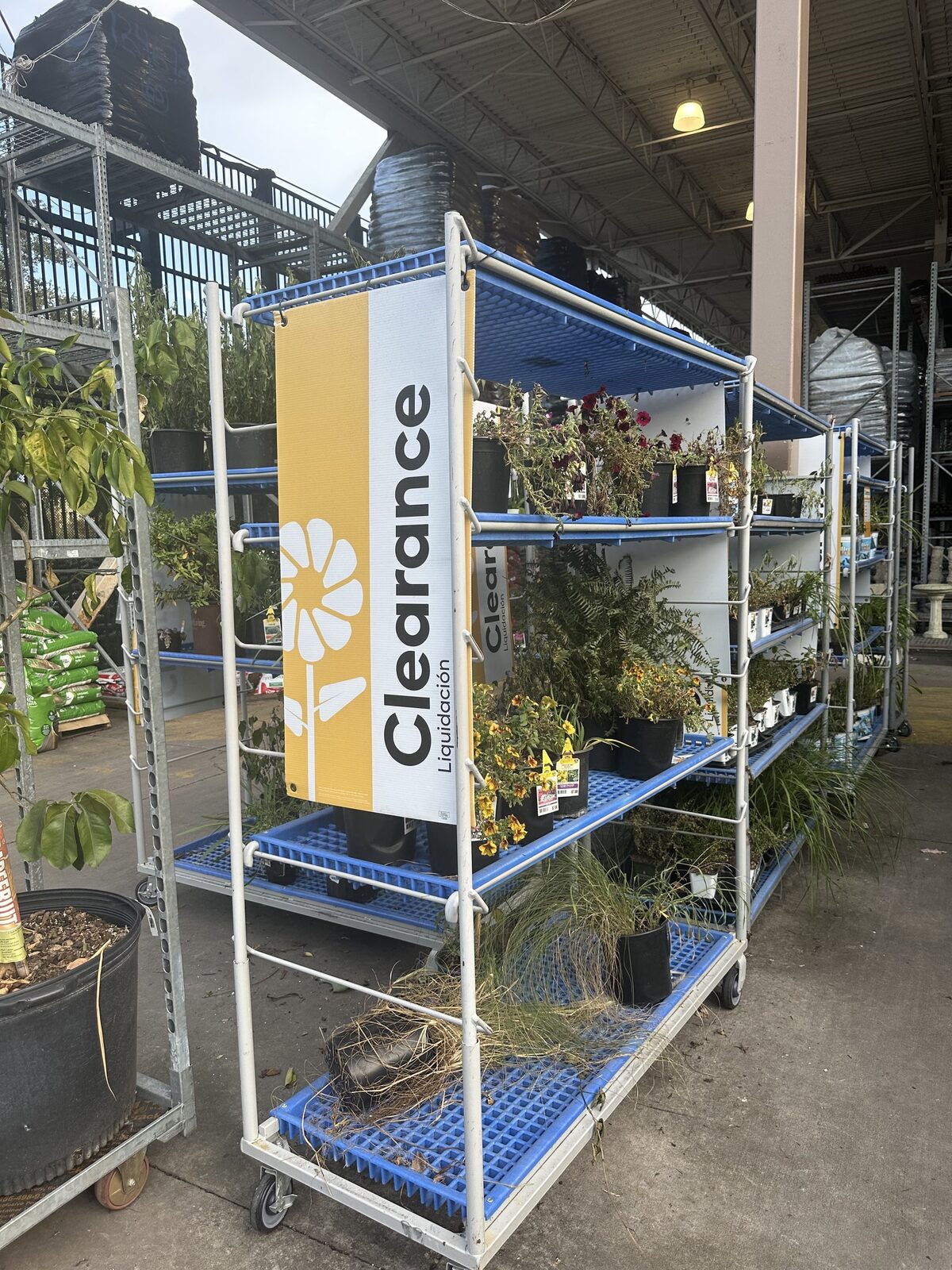
The answer depends on the plant's condition and the store's inventory, but many unsold plants are first marked down in hopes of finding a buyer. If you've ever spotted a clearance cart filled with wilted flowers or slightly stressed shrubs, you've seen this process in action. These discounted plants can be a great bargain for gardeners willing to give them a little extra care.
Unfortunately, not every plant can be saved. Plants that become severely damaged, diseased, or too far gone to recover may eventually be discarded. While it can seem wasteful, retailers often don't have the space or resources to continue caring for inventory that is no longer sellable.
How to Find Discounted Plants at Home Depot
If you're looking to stretch your gardening budget, timing can make all the difference. Home Depot frequently discounts plants during major gardening holidays and seasonal transitions. Memorial Day, Independence Day, Labor Day, and the end of the growing season are all common times to find clearance deals.
Keep an eye out for dedicated clearance racks or carts where plants with cosmetic damage or minor stress are offered at significantly reduced prices. Some may simply need consistent watering, fresh potting soil, or a little pruning to bounce back.
Before purchasing, inspect the plant carefully. Look for healthy stems, signs of new growth, and a strong root system. If the roots are firm and the plant still has green tissue, there's often a good chance it can recover with proper care. Just remember that clearance plants may not qualify for the same guarantees or return policies as regularly priced stock.
Other Ways to Save Money on Plants
Retail clearance isn't the only way to build your garden for less. Friends, neighbors, and family members often have plants they're happy to share when dividing crowded perennials or trimming back vigorous growers.
Popular pass-along plants such as irises, daylilies, hostas, and many ornamental grasses multiply over time and benefit from being divided. Many herbs and shrubs can also be propagated from cuttings, allowing you to grow new plants at little to no cost.
If you plan to propagate plants for sharing or selling, keep in mind that some newer plant varieties are protected by plant patents. Those patented cultivars cannot legally be propagated without permission until the patent expires.
With a little patience and good timing, it's possible to rescue discounted plants, take advantage of seasonal sales, and grow a beautiful garden without spending a fortune.
What About Lowe's?
If you're wondering whether Lowe's handles unsold plants differently than Home Depot, the answer is: not by much. Like many large garden retailers, Lowe's first tries to sell plants before considering disposal.
As plants begin to show signs of stress or approach the end of the season, they're often moved to a clearance section and marked down. These discounted plants can be an excellent opportunity for gardeners willing to invest a little extra time in watering, pruning, or repotting. Depending on the store and the condition of the plant, additional markdowns may also be available.
One key difference is that many of the live plants sold at Lowe's are supplied through vendor-managed inventory programs. In these cases, the grower or supplier technically owns the plants until they're purchased by a customer. Because of this arrangement, individual stores may have less flexibility in how they discount or dispose of certain inventory, and some unsold plants may be returned to the vendor rather than handled solely by Lowe's.
Just like Home Depot, however, not every plant can be saved. Once plants become severely damaged, diseased, or no longer suitable for sale, they may ultimately be discarded. While this can seem wasteful, it's generally considered a last step after clearance opportunities have been offered.
How to Find Clearance Plants at Lowe's
If you're hoping to score a bargain, check the garden center's clearance racks throughout the growing season, especially during major holiday sales and as the season winds down. Before purchasing, inspect the plant for healthy roots, green stems, and signs of new growth. Even plants that appear a little tired can often recover with proper care.
Whether you shop at Home Depot or Lowe's, the strategy is much the same: visit regularly, keep an eye on the clearance section, and don't be afraid to rescue a plant that simply needs a second chance. With a little patience, you can save money while giving perfectly recoverable plants a new life in your garden.
Share on