

Tell us about a time you had to change your plant-care habits because something wasn't working.
One of the most important things I’ve learned through growing plants is that successful plant care requires observation and flexibility rather than following a fixed routine. I have extensive hands-on experience growing various species of cacti, succulents, and other plants, including sensitive seedlings and grafted specimens that require particularly careful attention.
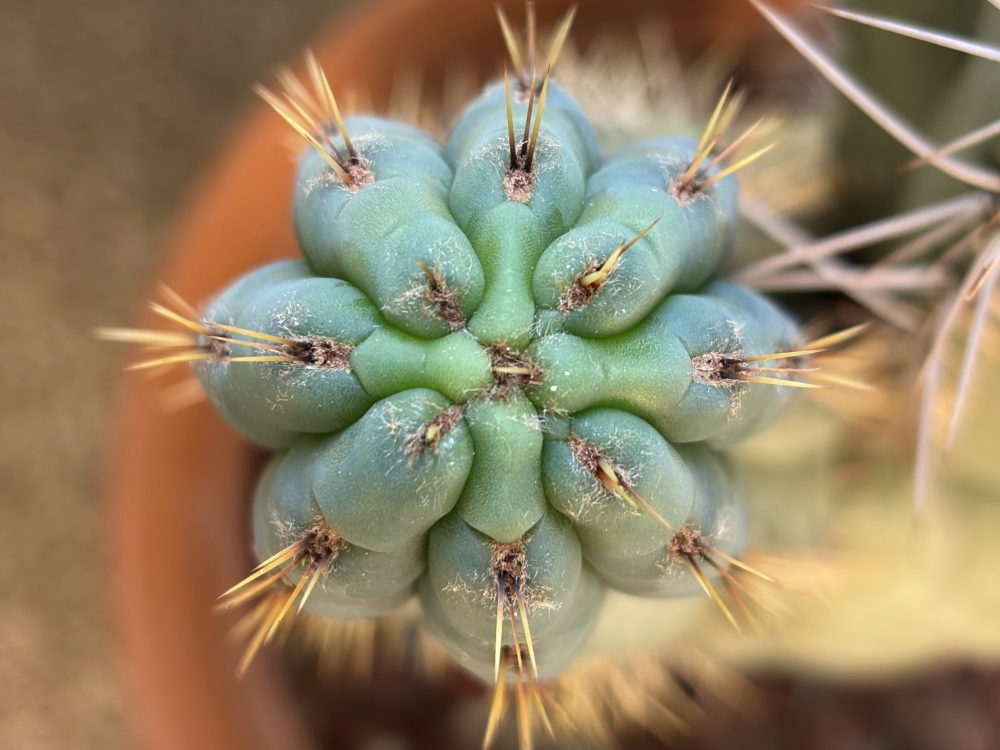
One example involved adjusting the growing conditions for my cacti when I noticed that some plants were showing signs of stress. Rather than continuing with the same watering and lighting schedule, I began examining the relationship between temperature, humidity, light intensity, and soil moisture. I realized that watering frequency alone wasn’t enough to determine whether the plants were receiving appropriate care.
I adjusted the lighting distance and intensity, improved air circulation, and reconsidered my watering schedule based on the plants’ actual needs and growing conditions. I also paid closer attention to the substrate and how quickly it dried between waterings.
This experience reinforced my belief that every plant should be treated individually. Even plants of the same species can have different requirements depending on their environment, age, and overall health. I always prioritize understanding what a plant is communicating through its appearance and growth.
Have you ever used a moisture meter or another plant-care tool? Explain when you find it useful or unnecessary.
I regularly use specialized tools to monitor and maintain appropriate growing conditions for my plants. My experience includes using temperature and humidity sensors, grow lights with adjustable intensity, light-measuring applications, heating mats, and equipment for monitoring environmental conditions.
For example, when growing cacti and other succulents indoors, I monitor light intensity, temperature, humidity, and vapor pressure deficit (VPD). These measurements help me understand how environmental conditions influence plant growth, water consumption, and overall health. I also use pH measurements when preparing nutrient solutions, particularly for plants that require carefully controlled growing conditions.
Although moisture meters can be useful for certain houseplants, I don’t believe they should replace direct observation. For cacti and succulents, I often prefer evaluating the weight of the pot, checking the substrate’s moisture below the surface, and observing the plant’s physical condition. Some inexpensive moisture meters can also provide unreliable readings in highly mineral-based substrates.
I believe the best approach combines practical experience with appropriate measuring tools. Every species has different requirements, and understanding those differences is more important than relying on a single measurement or following a universal watering schedule.
You notice tiny insects crawling on the underside of a client's leaves. What would you do?
My first step would be to carefully examine the affected plant and determine what kind of insects are present. Different pests require different approaches, so I would avoid applying any treatment before understanding the situation. I would inspect the undersides of leaves, stems, new growth, and surrounding plants for additional signs of infestation, such as discoloration, sticky residue, webbing, or damaged foliage.
I would take clear photographs of the insects and affected areas and immediately inform the plant owner about what I discovered. Communication is particularly important when caring for someone else’s plants, and I believe the owner should always be involved in decisions about treatment.
If possible, I would recommend separating the affected plant from nearby healthy plants to reduce the risk of spreading the infestation. Depending on the pest, appropriate treatment might involve gently rinsing the foliage, manually removing insects, or using insecticidal soap specifically suitable for that plant species.
I would never apply pesticides or other chemical treatments without the owner’s permission. Some plants are sensitive to particular products, and inappropriate treatment can cause more damage than the pests themselves.
Finally, I would recommend monitoring the plant over the following days and weeks, since many infestations require repeated inspections or treatments. My priority would always be protecting the client’s plants while keeping them informed throughout the process.
How would you handle a disagreement with a client about the care their plants received?
I believe that trust, communication, and mutual understanding are essential when caring for someone else’s plants. Every plant owner has their own experience, preferences, and emotional connection to their plants, and I always try to respect that.
Before beginning any plant-sitting service, I would make sure to understand the owner’s expectations, specific instructions, and any concerns they might have. I would also discuss the individual needs of their plants, particularly if I noticed something that might require special attention.
If a disagreement occurred, my first step would be to listen carefully and understand the client’s perspective without becoming defensive. I would explain my actions honestly, including the reasoning behind any decisions I made, and provide photographs or observations when appropriate.
My experience growing various species of cacti, succulents, and other plants has taught me that plant care is not always straightforward. Different environmental conditions can require adjustments, and even experienced growers occasionally encounter unexpected challenges.
If I believed a particular instruction could harm a plant, I would respectfully explain my concerns and suggest alternatives rather than making changes without permission.
Ultimately, my priority would be finding a reasonable solution, maintaining clear communication, and ensuring that both the client and their plants receive the attention and respect they deserve.
If you could create your ideal indoor plant space, what would it look like?
As both a visual artist and a passionate plant enthusiast, my ideal indoor plant space would combine the beauty of a botanical garden with the carefully controlled environment of a greenhouse. I see plants not only as living organisms that require attention and understanding, but also as extraordinary expressions of natural form, structure, color, and rhythm.
I would imagine a bright, peaceful space filled with natural light, complemented by adjustable grow lights where necessary. Different areas would accommodate plants with varying environmental requirements, from tropical species that thrive in higher humidity to cacti and succulents that prefer stronger light and well-draining substrates.
I am particularly fascinated by unusual cacti, rare succulents, and plants with distinctive growth patterns. I would dedicate part of the space to cultivating these species, including seedlings and grafted specimens, while incorporating larger foliage plants to create a balanced and welcoming atmosphere.
Temperature, humidity, airflow, and lighting would be carefully monitored, but the space would still feel natural rather than overly technical.
As an artist, I would pay special attention to the visual relationships between plants, their containers, and the surrounding environment. I believe a thoughtfully arranged plant collection can become a living work of art, constantly changing and developing.
Above all, my ideal space would be a place where scientific curiosity, artistic appreciation, and genuine care for living things come together.
 By
amovido85

 By
lisa McCloud


 By
gagezerboni


 By
Scruffers