

- House Plant Sitting
- June 24, 2026
- News
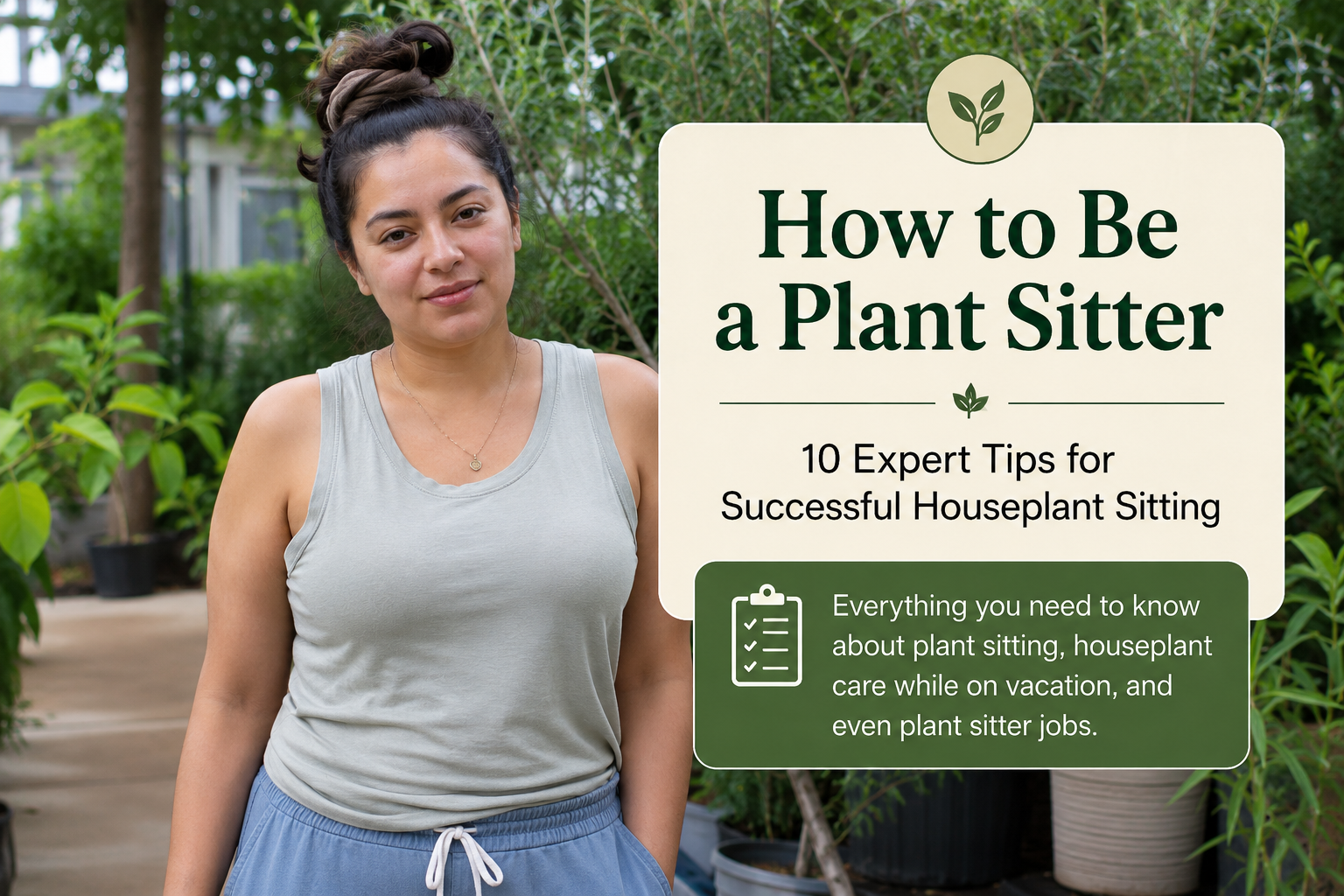
How to Be a Plant Sitter
You know you've crossed a certain threshold in adulthood when a friend hands you a key to their house, points dramatically toward a fiddle leaf fig, and says, "Whatever you do, don't let Kevin die."
Kevin, of course, is not a person. Kevin is a six-foot-tall houseplant worth approximately the same amount as a lightly used Honda Civic.
Welcome to the increasingly important world of plant sitting.
As houseplants have exploded in popularity, so has the need for a reliable plant sitter. People are traveling again, visiting family, taking vacations, and occasionally fleeing winter for someplace that doesn't require scraping ice off a windshield with an expired grocery store loyalty card. Unfortunately, houseplants rarely appreciate these adventures. Most of them prefer to remain exactly where they are, receiving water on a schedule known only to themselves and perhaps the moon.
That's why more plant owners are searching online for a plant sitter near me, hiring houseplant sitting services, or recruiting unsuspecting neighbors with promises of, "It's easy! You only have to water them!"—which, in plant-owner language, can mean anything from "pour half a cup into that pothos once a week" to "mist these orchids every morning at precisely 6:17 a.m. while whispering encouraging words."
Whether you're looking for houseplant care while on vacation, considering becoming a professional plant sitter, or simply trying not to accidentally murder your sister's monstera while she's in Aruba, this guide will teach you exactly how to be a plant sitter—and maybe even how to make money doing it.
What Does a Plant Sitter Do?
A plant sitter is someone who cares for another person's plants while the owner is away. At its most basic level, plant sitting involves watering plants and making sure they remain alive long enough for their owners to return.
But experienced plant owners know it's rarely that simple.
A good houseplant sitter may also monitor humidity levels, refill humidifiers, inspect leaves for pests, rotate plants for even growth, adjust grow lights, or troubleshoot problems before they become disasters. Some plant sitters even perform light pruning, fertilizing, or repotting if requested.
People hire plant sitters for vacations, business travel, medical recovery, family emergencies, or extended seasonal trips. Some collectors own dozens—or even hundreds—of plants. Leaving that collection alone for several weeks can feel a bit like leaving a toddler unsupervised with permanent markers and a trampoline.
Simply put, a great plant sitter provides peace of mind.
Houseplant Care While on Vacation: What Are Your Options?
When planning houseplant care while on vacation, you have more choices than ever.
The most common option is asking a trusted friend, neighbor, or family member to help. This works especially well if your collection is relatively small and straightforward.
Of course, plant owners have a habit of saying things like, "They're all pretty easy," while casually forgetting to mention the orchid cabinet, the carnivorous plants, and the tropical greenhouse setup in the spare bedroom.
Another option is hiring a professional plant sitter or using local houseplant sitting services. Many metropolitan areas now have businesses dedicated entirely to plant care. These professionals often provide watering visits, pest checks, maintenance, fertilizing, and plant consultations.
Plant owners can also join local Facebook plant groups where members frequently offer plant sitting help. In many cities, these communities are thriving and can be an excellent place to find someone experienced with rare plants.
Finally, automatic watering systems continue to grow in popularity. These systems use timers, tubing, and reservoirs to water plants automatically. They work especially well for people who travel frequently or who own mostly low-maintenance plants. They're not perfect, but they beat returning home to discover that your favorite pothos has transformed itself into decorative straw.
How Much Does a Plant Sitter Cost?
One of the first questions plant owners ask is how much houseplant sitting services cost.
Pricing varies significantly based on location, collection size, and care requirements. Someone checking on five snake plants once a week will generally charge less than someone caring for a collection of 150 tropical plants with grow lights, humidifiers, and enough accessories to resemble a small botanical garden.
Many plant sitters charge per visit, while others prefer hourly rates. Some offer flat vacation packages for longer trips. Additional services such as repotting, fertilizing, pest treatment, or plant consultations may cost extra.
As with most services, experience matters. An experienced professional plant sitter who understands rare houseplants and complex care routines will often charge more—and many plant owners gladly pay it. When a single variegated monstera cutting can cost several hundred dollars, paying for expert care starts to look like a bargain.
How Much Do Plant Sitters Make?
A related question is: how much do plant sitters make?
The answer depends largely on location, expertise, and the services offered. Independent plant sitters may earn modest supplemental income by helping neighbors and friends. Others build full-fledged businesses serving dozens of clients.
Commercial plant care specialists often earn even more. Office buildings, shopping centers, hotels, and restaurants frequently hire professionals to maintain interior plantscapes. For someone who genuinely enjoys plants, these positions can offer stable and rewarding careers.
In other words, all those years you spent talking to your philodendron may not have been wasted after all.
Where to Find a Plant Sitter Near Me
Searching online for a plant sitter near me will often uncover more options than you expect.
Start by checking local Facebook plant groups, neighborhood groups, and community forums. Many experienced plant owners quietly offer plant sitting services as a side business.
You can also search for local businesses specializing in houseplant sitting services or indoor plant maintenance.
If you live in a larger city, you may discover companies dedicated entirely to plant care. Smaller communities may rely more heavily on referrals, gardening clubs, or word-of-mouth recommendations.
Regardless of where you find a plant sitter, ask questions. Experience matters. Request references if needed, discuss expectations in advance, and ensure the sitter feels comfortable caring for your specific plants.
Because there is a significant difference between "I own a pothos" and "I maintain 200 rare aroids in climate-controlled cabinets."
Should You Hire a Professional Plant Sitter?
For many plant owners, hiring a professional plant sitter is absolutely worth considering.
Professional sitters bring experience, reliability, and specialized knowledge. They understand how to identify pests, recognize signs of overwatering, and troubleshoot common plant problems.
This can be especially valuable if you own rare, expensive, or sentimental plants.
Hiring a professional also reduces stress while traveling. Instead of wondering whether your neighbor remembered to water the plants, you can focus on enjoying your vacation.
That said, a trusted friend or family member may be perfectly adequate for smaller collections containing hardy, forgiving plants. Not every pothos requires concierge-level service.
Kevin the fiddle leaf fig, however, may disagree.
How to Be a Plant Sitter: 10 Expert Tips for Successful Plant Sitting
1. Learn the Owner's Care Routine
Every plant owner has their own routine, and many defend it with the passion normally reserved for family chili recipes.
Ask detailed questions before accepting the job. Learn watering schedules, humidity needs, fertilizing routines, and any existing plant problems.
2. Request Written Instructions
Written instructions eliminate confusion. Encourage owners to leave care notes, sticky notes, or grouped plant arrangements based on watering needs.
3. Set Clear Expectations
Clarify how often you'll visit, what tasks are expected, and how much time each visit should take.
Good communication prevents misunderstandings and preserves friendships.
4. Identify Rare or Valuable Plants
Learn which plants are especially valuable or emotionally important to the owner. These plants may require additional attention.
5. Know Where Supplies Are Kept
Locate watering cans, fertilizer, pest treatments, paper towels, humidifiers, and any specialty supplies before the owner leaves.
Future You will be grateful.
6. Keep Track of Your Time
If you're offering paid houseplant sitting services, record how much time each visit takes. Professionalism builds trust.
7. Always Check the Soil Before Watering
Never water solely because a schedule says so.
Always check soil moisture first. Overwatering remains one of the leading causes of houseplant death.
8. Be Careful With Succulents and Cacti
Succulents, cacti, snake plants, and ZZ plants prefer less water than most tropical houseplants. When in doubt, wait.
9. Send Updates
A quick text and photo can dramatically reduce vacation anxiety for plant owners.
10. Ask Questions
If something looks unusual, ask. Plant owners would much rather answer a text than return home to a botanical tragedy.
Can You Make Money Offering Plant Sitting Services?
Absolutely.
Many people begin by helping friends and neighbors before gradually expanding into paid plant sitter jobs.
As your experience grows, you may begin offering additional services such as plant consultations, repotting, pest management, or ongoing maintenance visits.
Some enthusiasts eventually build successful businesses offering full-service plant care.
For passionate plant lovers, becoming a plant sitter can be an enjoyable and flexible side hustle. And unlike many side hustles, it comes with the added bonus of spending time around plants instead of spreadsheets.
Unless you enjoy spreadsheets. In which case, there is absolutely no judgment here.
Frequently Asked Questions About Plant Sitting
What does a plant sitter do?
A plant sitter waters, monitors, and cares for houseplants while the owner is away.
How much should I pay a plant sitter?
Costs vary depending on location, plant collection size, and required services.
How often should a plant sitter visit?
Most collections require visits every few days to every two weeks, depending on plant species and care needs.
Are plant sitting services worth it?
For owners with large, valuable, or specialized collections, professional plant care is often well worth the cost.
Can I become a professional plant sitter?
Yes. Many people begin by helping friends before expanding into paid plant sitting services.
Whether you're searching for a plant sitter near me, considering offering houseplant sitting services, or simply helping a friend with houseplant care while on vacation, successful plant sitting comes down to preparation, communication, and a healthy respect for just how emotionally attached people become to their plants.
Because somewhere, right now, someone is boarding a plane while silently wondering whether Kevin the fiddle leaf fig will survive until they return.
Thanks to a great plant sitter, Kevin probably will.
Share on