

If someone walked through your current or past plant collection, what would they learn about you?
If someone walked through my current or past plant collection, they would learn very quickly that I enjoy experimenting, learning, and figuring out what each plant actually needs rather than treating every plant the same. I grow a wide range of plants, including edible crops, herbs, houseplants, fruiting plants, and plants that I overwinter indoors.
One of the biggest things gardening has taught me is to pay attention. I look at changes in leaf color, new growth, soil moisture, pest activity, light exposure, drainage, and how quickly a plant is using water. I’ve learned that a plant can often tell you quite a lot about what it needs if you slow down and observe it.
I’ve dealt with issues ranging from pests and watering problems to plants needing different containers, soil, light, or nutrients. I’m comfortable researching an unfamiliar plant when necessary rather than assuming that the care routine I use for another plant will work.
Have you ever used a moisture meter or another plant-care tool? Explain when you find it useful or unnecessary.
I have used moisture meters and I think they can be helpful, especially as an additional data point when you are learning a plant’s watering needs or caring for a large number of plants. However, I would never rely on a moisture meter alone to decide whether a plant needs water.
I prefer to look at several things together. I may feel the soil with my finger, notice how heavy the container feels compared with when it is freshly watered, look at the condition of the leaves and new growth, and consider the type of plant, container size, drainage, temperature, humidity, and available light.
For example, a plant growing in strong light in a small container may dry out much more quickly than the same type of plant growing in lower light in a larger pot. Succulents and drought-tolerant plants also need very different watering routines than moisture-loving tropical plants or actively growing edible crops.
A moisture meter can be useful for confirming what I’m observing, but I think good plant care comes from understanding the individual plant and its environment rather than automatically watering whenever a meter reaches a particular number.
You're visiting twice a week, and a plant begins declining between visits. How would you approach the problem?
If I were visiting twice a week and noticed that a plant was beginning to decline between visits, I would first try to determine what had changed rather than immediately adding more water or fertilizer.
I would inspect the plant carefully, including the leaves, stems, new growth, soil, and drainage. I would look for signs of overwatering or underwatering, pests, leaf discoloration, wilting, root problems, or disease. I would also consider environmental factors such as whether the plant’s light exposure, temperature, humidity, or proximity to heating or air conditioning had changed.
I would check the soil moisture and review what I had done during previous visits so I could determine whether the watering schedule needed to be adjusted. If appropriate, I would take photos so the owner could see exactly what I was seeing.
Most importantly, I would communicate with the owner rather than making a major change without their knowledge. I would explain what I observed, what I think may be causing the problem, and what I recommend doing next. If I were uncertain, I would research the specific plant and situation before taking action.
My goal would be to catch the problem early, keep the owner informed, and make thoughtful adjustments based on the plant’s actual condition rather than guessing.
How would you handle discovering a problem in a client's home that isn't directly related to plant care?
If I discovered a problem in a client’s home that was not directly related to plant care, my first priority would be to assess whether it was something urgent or something that simply needed to be brought to the owner’s attention. I would never ignore an issue just because it was outside the specific plant care instructions.
For example, if I noticed a water leak, an open window during bad weather, a concerning appliance issue, or something else that could potentially damage the home, I would document what I saw and contact the owner immediately . If it were an immediate safety issue, I would follow any emergency instructions the owner had provided and use my best judgment while keeping them informed.
For something less urgent, I would take a photo if appropriate and send a clear message explaining what I noticed without unnecessarily moving or changing anything in their home.
I take being trusted with someone’s home seriously. I would carefully follow the client’s instructions, respect their privacy and belongings, and communicate clearly throughout the visit. My goal would be for the owner to feel that both their plants and their home were being looked after responsibly while they were away.
What kind of plant-care visit would you find especially enjoyable, and why?
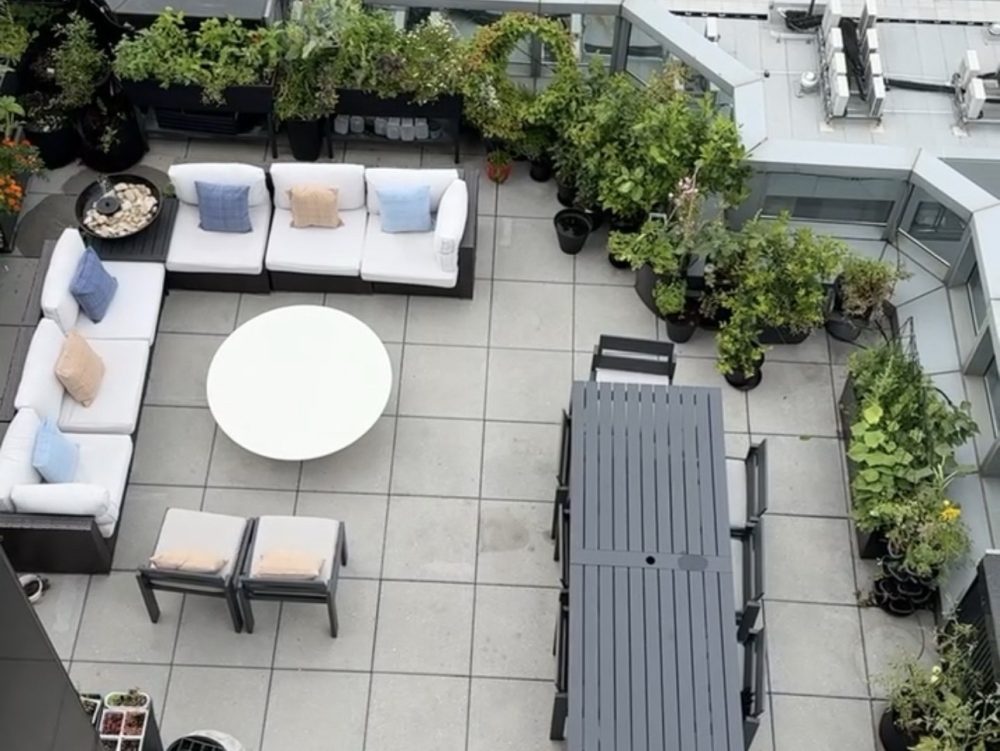
I enjoy visits where I can care for a variety of plants and pay attention to how they are doing rather than simply following the exact same routine for every pot. I love edible gardening, so a visit involving herbs, vegetables, fruiting plants, a balcony garden, terrace, rooftop, or other urban growing space would be especially fun for me.
I like to check soil moisture, look for new growth, harvest when appropriate, monitor for pests, adjust plant placement when necessary, and notice small changes before they become larger problems. I also genuinely enjoy houseplants and would be very happy caring for someone’s indoor collection while they are traveling.
The visits I find most rewarding are ones where the owner cares about their plants and provides some background about their normal routine, but also trusts me to observe what the plants are actually telling me. Plants do not always follow a perfect schedule, so I like being able to combine the owner’s instructions with careful observation.
I also enjoy sending updates and photos so the owner can relax while they are away and know that someone is paying attention to the details.



 By
c.ordonez314


 By
flowerh21